
The Living Mountain
A classic for the landscape photographer

Over the past four posts I have talked about my experience tramping two of New Zealand’s Great Walks.
I have expressed my reservations about the “tourist experience”, while acknowledging the necessity of managing demand and the benefits of increased accessibility.
Photographically, I felt at times I was in tourist mode, and struggled with the newness of the environment without a depth of knowledge and understanding about what I was looking at.
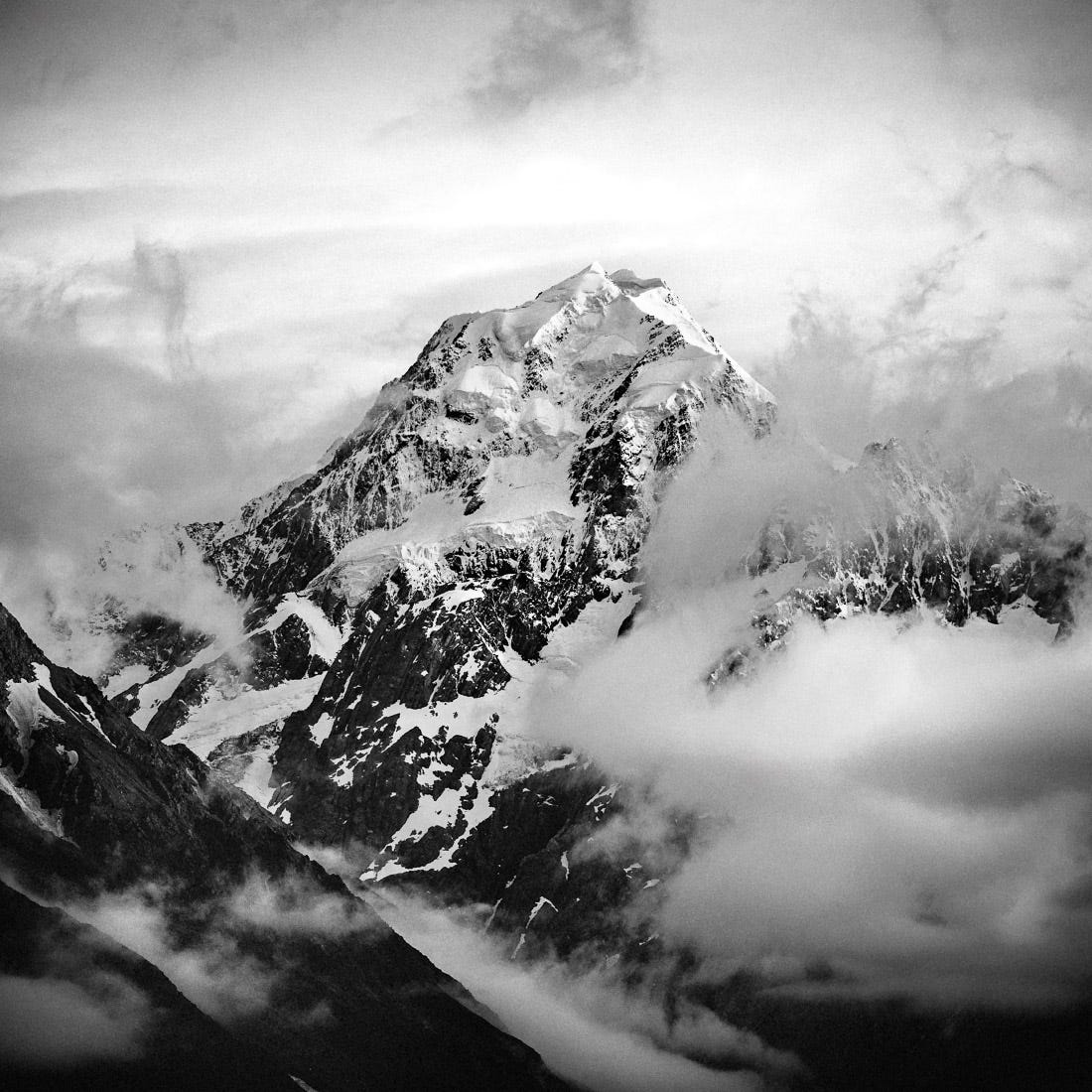
At the core of my landscape photography “process” is returning to the same locations, building knowledge, familiarity and connection. For the past two years, this has focussed on Victoria’s temperate rainforest and the tall tree forests of the Central Highlands and the alpine landscapes of the High Country.
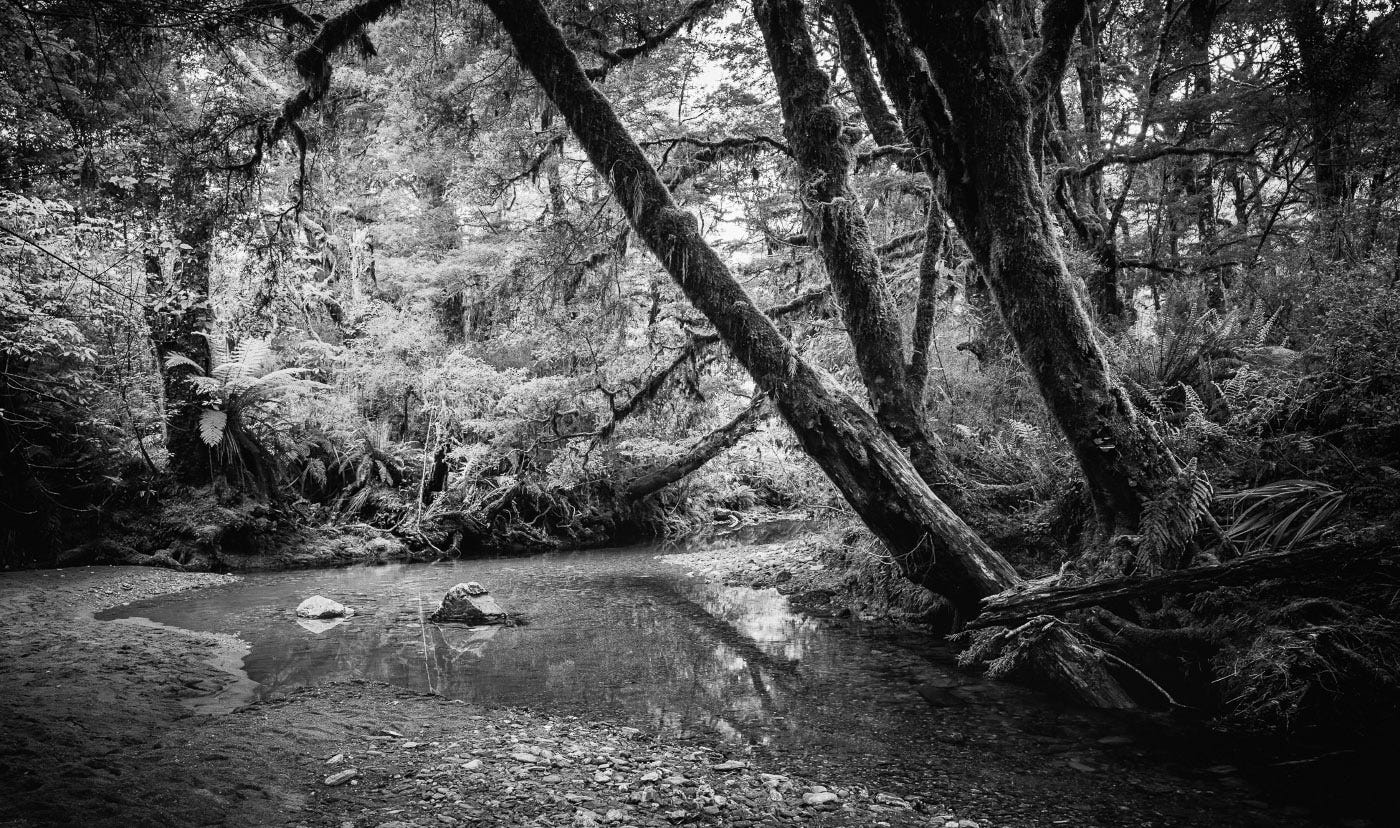
In the longer term, however, I want to expand my photography into other forest types, particularly temperate rainforests around the world. With this ambition in mind, I travelled for two weeks to New Zealand to explore the forests of Fiordland in the South Island.
As I was travelling around the South Island, covering a lot of ground and seeing a lot of sights, I was reading a book that emphasised the exact opposite; that showed the value of repeated visits to the one location, in this case a lifetime of walking in the Cairngorm Mountains of Scotland.
The book was The Living Mountain by Nan Shepherd, written in 1938 but not published until 1977. I read the Kindle Edition published by Canongate with a fantastic introduction by Robert Macfarlane1. I would highly recommend it.
Exploration
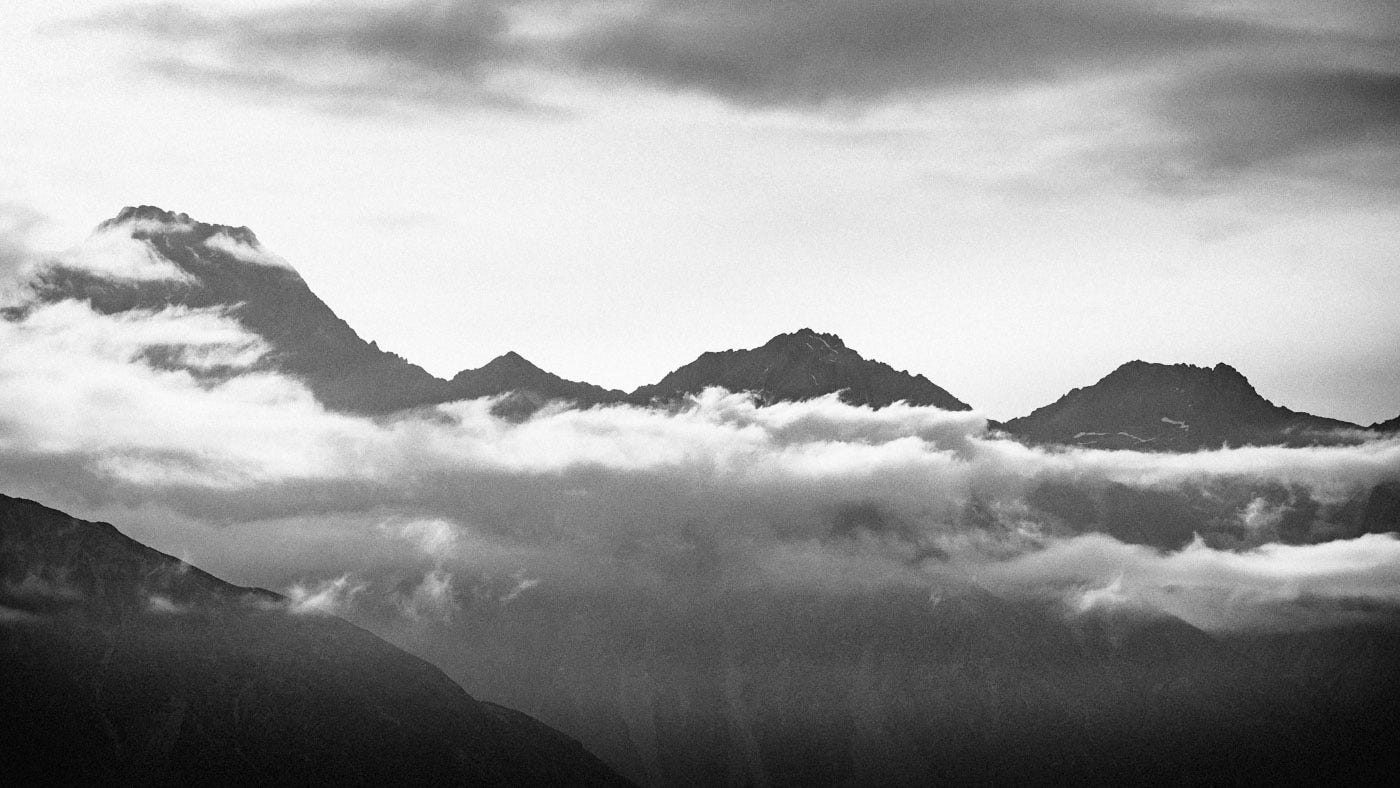
Although written in 1938, Nan addresses some of my concerns around nature tourism and the trend of the Great Walks and similar guided experiences to focus on accessibility (and an ability to pay). She talks of how park policy could prioritise what she calls “loneliness” or a connection with nature.
“The inaccessibility of this loch is part of its power. Silence belongs to it. If jeeps find it out, or a funicular railway disfigures it, part of its meaning will be gone. The good of the greatest number is not here relevant. It is necessary to be sometimes exclusive, not on behalf of rank or wealth, but of those human qualities that can apprehend loneliness.”
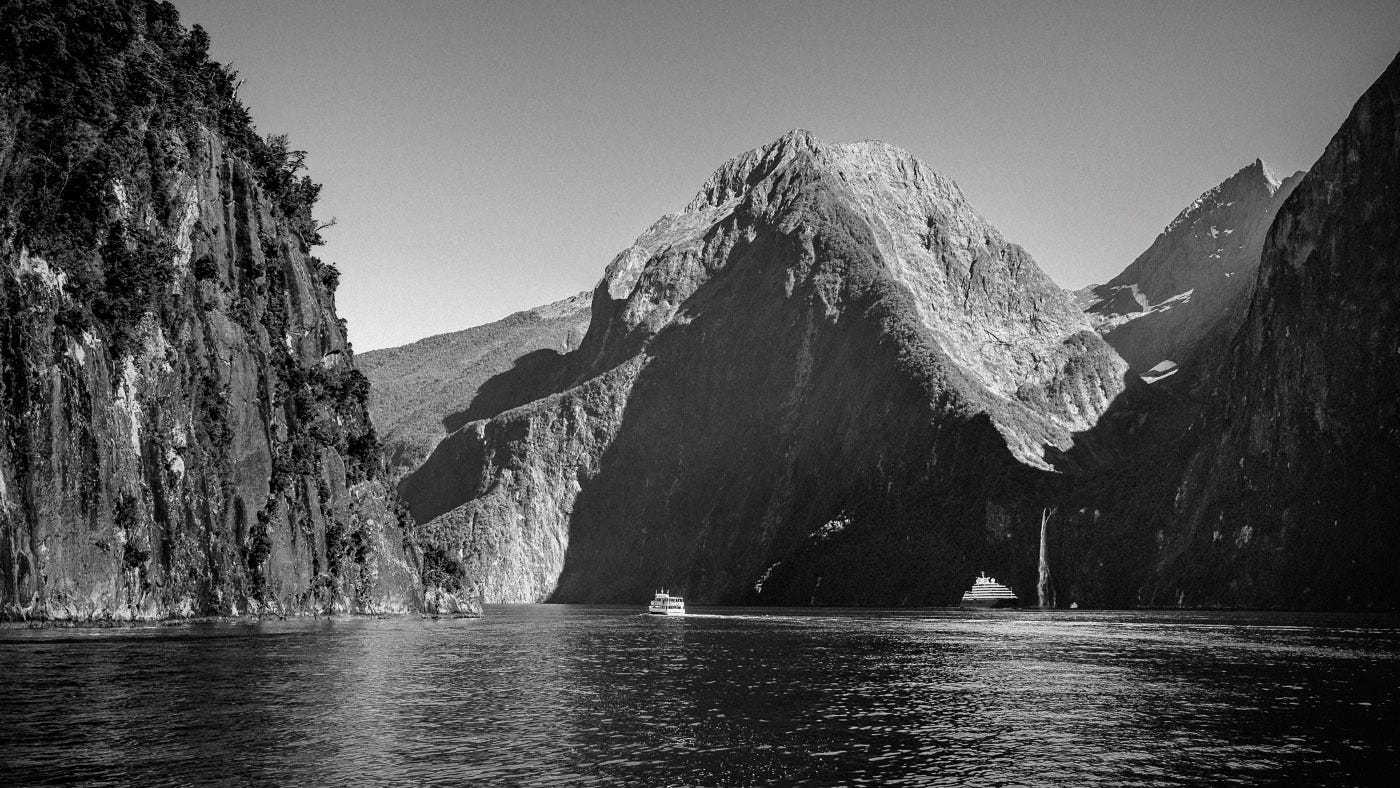
Nan also talks about the attraction of chasing peaks, of challenging oneself with new routes, being fully absorbed in the physical effort. In the high mountain air “Place and a mind may interpenetrate till the nature of both is altered.” And yet she ultimately found most value looking inward – into the landscape itself, the plateau and its recesses, through her exploration of the mountains. How different is this to a walk demanding travel each day from A to B?
“Yet often the mountain gives itself most completely when I have no destination, when I reach nowhere in particular, but have gone out merely to be with the mountain as one visits a friend with no intention but to be with him.”
The Senses
Nan describes the elements of the landscape – the geology, the water, frost and snow, air and light, the plants and animals – in wonderful detail. This clarity of observation came over time as “the senses [are] trained and disciplined, the eye to look, the ear to listen, the body must be trained to move with the right harmonies”.
Where Thoreau was overwhelmed by the existential contact with the wildness of Mount Ktaadn, Nan embraces the wildness in an almost Zen like way2. There are few passages that better describe where, in Taoist terms, awareness moves past that illusory separation between consciousness (words and concepts) and the Cosmos, where there “is no distinction between empty awareness and the expansive presence of existence”3.
“But now and then comes an hour when the silence is all but absolute, and listening to it one slips out of time.”
“So, simply to look on anything, such as a mountain, with the love that penetrates to its essence, is to widen the domain of being in the vastness of non-being. Man has no other reason for his existence.”
Ways of Knowing
Nan goes beyond the sharpening of the senses to fully experience the mountains. She also describes the challenge of knowing, how the mind can be tricked, revealing something new about the landscape.
She talks of illusions – those moments of seeing something that was thought to be familiar but suddenly is not. “Such illusions, depending on how the eye is placed and used, drive home the truth that our habitual vision of things is not necessarily right: it is only one of an infinite number, and to glimpse an unfamiliar one, even for a moment, unmakes us, but steadies us again.”
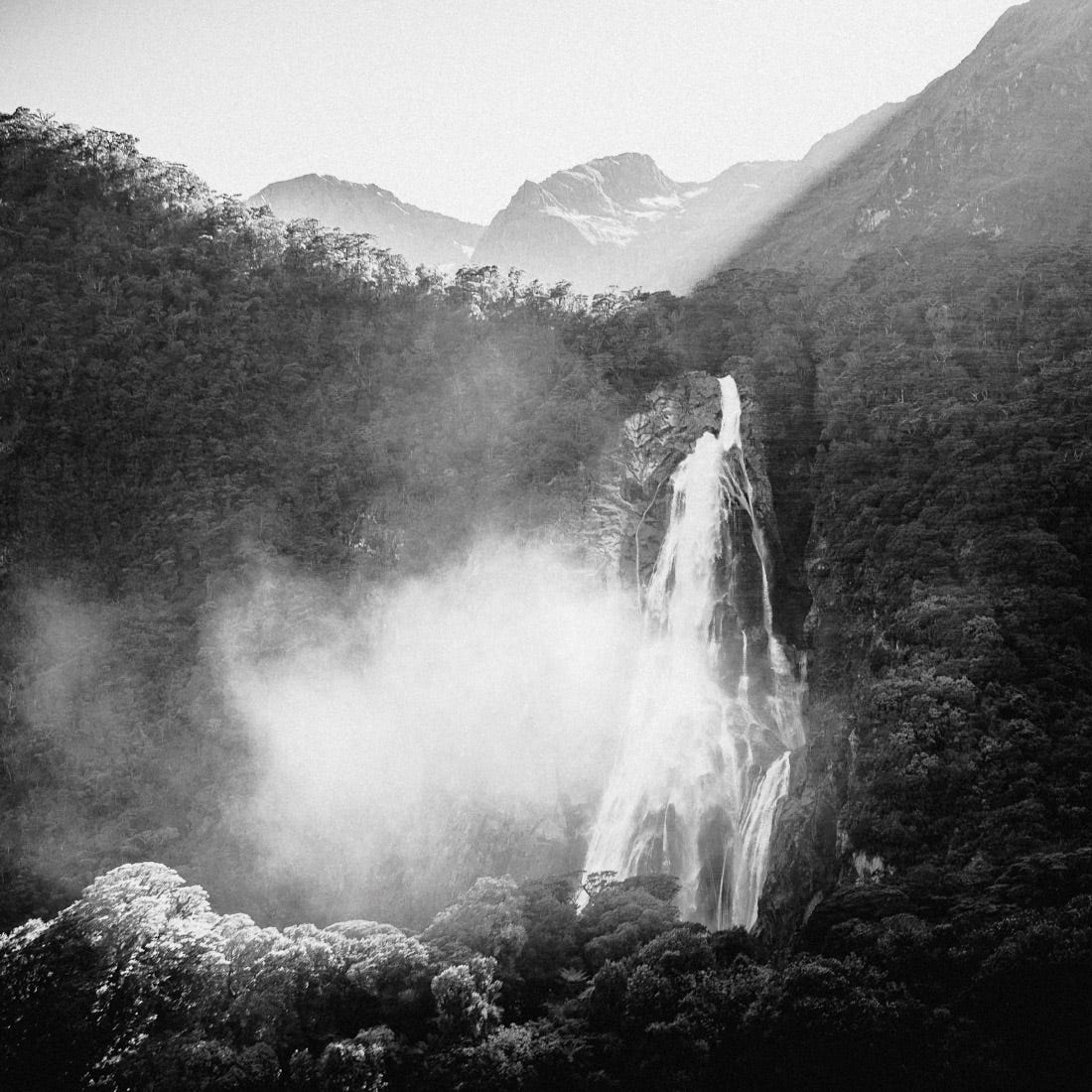
In New Zealand, everything was new, so the challenge was understanding the unfamiliar landscape. But in my home Mountain Ash forests I have had moments when I glimpse something I have never seen before. It can be a revelation.
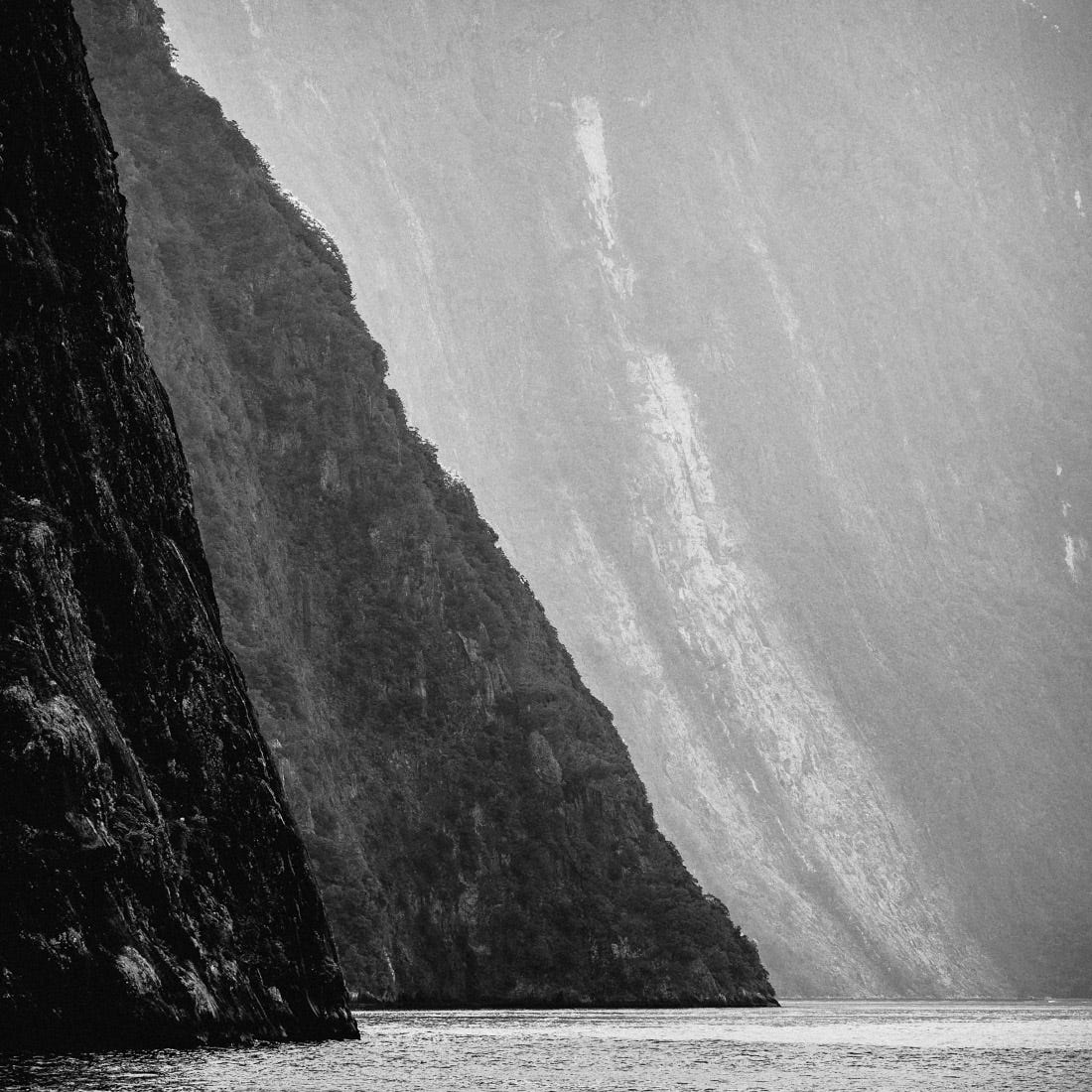
Nan is well aware of the multiple viewpoints in the landscape, where she is not the centre. Indeed, how the earth must see itself through multiple perspectives simultaneously. As a photographer whose whole job is to find a pleasing or interesting composition, I found this idea fascinating.
“Details are no longer part of a grouping in a picture of which I am the focal point, the focal point is everywhere. Nothing has reference to me, the looker. This is how the earth must see itself.”
Conclusion
My photography has brought me to places such as New Zealand, which is full of jaw-dropping, awe-inspiring scenery. The scenery, and its newness, has been a sensory overload. At times I felt I was back as a beginner photographer, pointing my camera in all directions looking for the aesthetically pleasing.
This is contrast to my familiar, home forests, where my knowledge is deeper and the connection stronger. As I explore these familiar forests, I see so much more as I observe the subtle changes in vegetation, the unexpected folds in the topography, the signs of past human endeavours. It is here, on the foundations of familiarity, that occasionally I will see something unexpected – a trick of light, an exceptional subject, an idea about our connection with the landscape. Inevitably these demand further exploration and result in an image that is, at the very least, interesting.
To me, this is what people mean when they talk about seeing rather than just looking. It is hard work – I am devouring books on everything from natural history through to philosophical ideas, nature writing through to fiction set in interesting landscapes. But it is more than book learning – I am sure Nan would agree, it is also time in the field, following the flow of water, sitting watching the trees grow, open to all the perspectives around me.
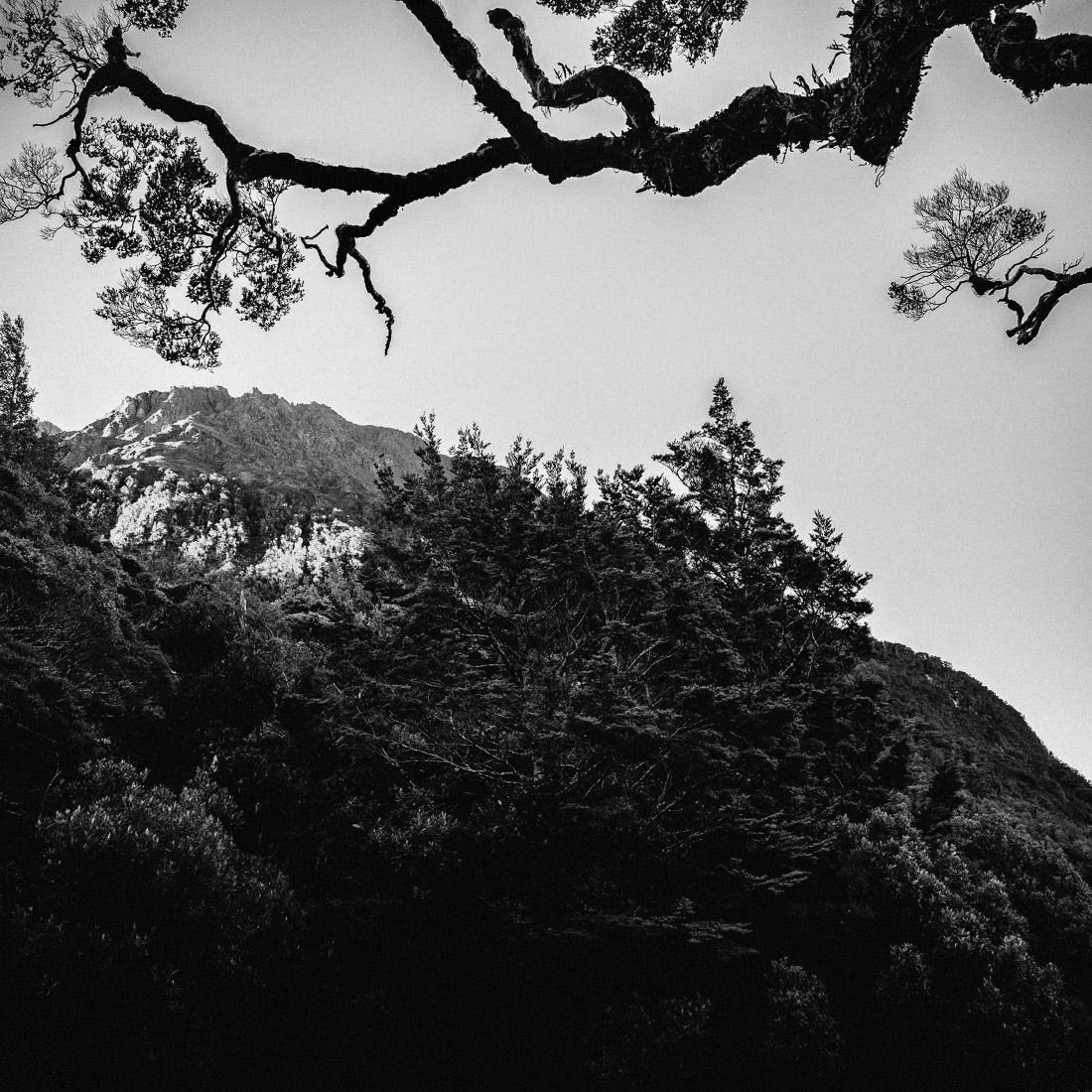
Does this make for better photographs? Or would I be better focusing on an aesthetic appreciation of the landscape? I don’t know but I have no choice; I am simply following my curiosity.
This process of knowing a landscape, critical I think to the development of all landscape photographers, was the most important theme in Nan Shepherd’s exploration of her living mountains.
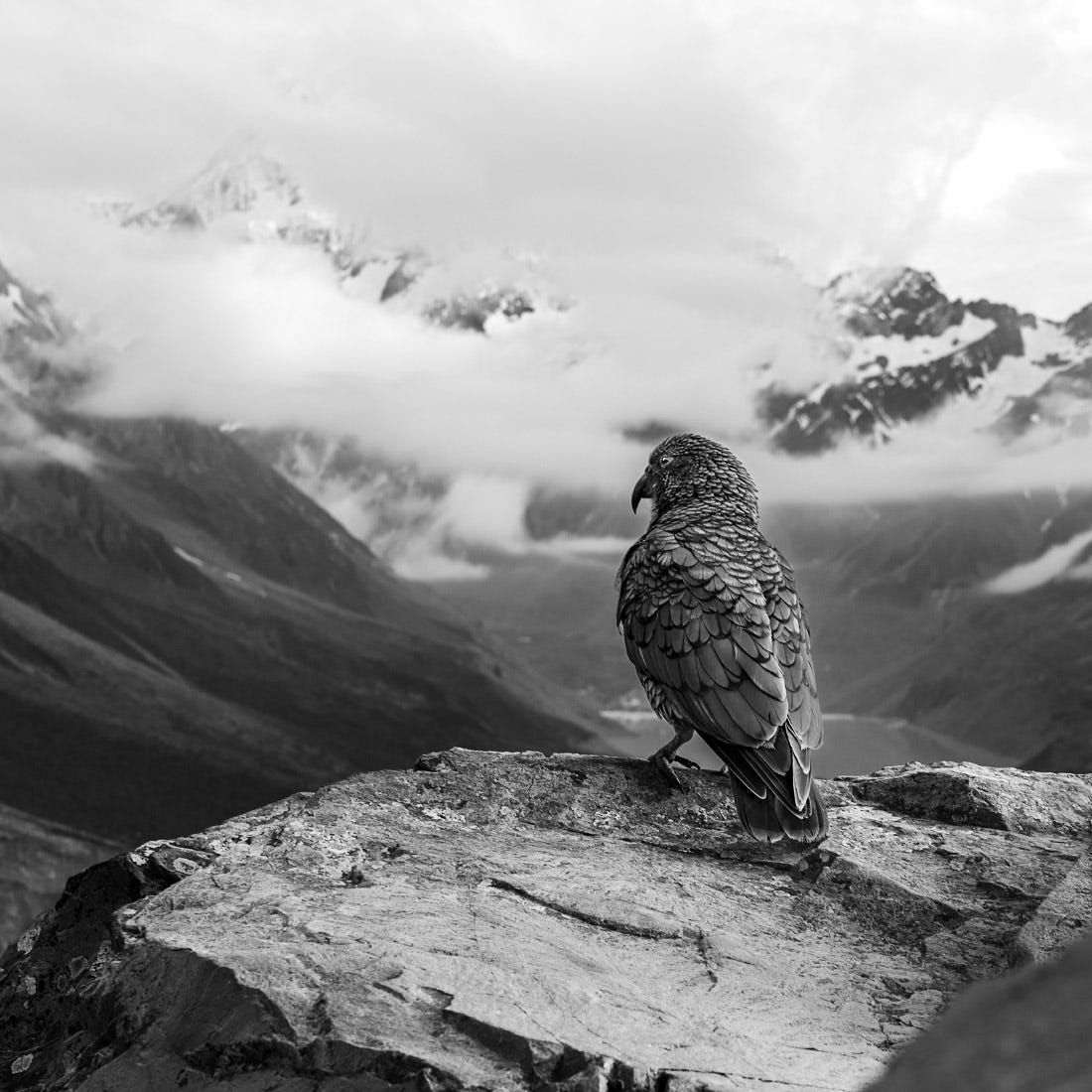
“But at first I was seeking only sensuous gratification ….. But as I grew older, and less self-sufficient, I began to discover the mountain in itself …. This process has taken many years, and is not yet complete. Knowing another is endless. …. The thing to be known grows with the knowing.”
All quotes in this article, apart from those listed below are from Nan Shepherd, The Living Mountain: A Celebration of the Cairngorm Mountains of Scotland (The Grampian Quartet Book 4). Kindle Edition.
Having worked for forty-one years as a lecturer in English at the Aberdeen College of Education, Nan would have been aware of attempts by writers in the late 19th century to move towards an empiricist worldview, to rediscover “consciousness not as a spirit-center with its abstract process of self-enclosed thought, but as an openness to immediate experience” (Hinton, David. The Wilds of Poetry: Adventures in Mind and Landscape).
Hinton, David. Existence: A Story. Kindle Edition.
A really lovely piece of writing. I loved Nan's words deeply and was so present with the words here that I really didn't 'see' your photos on my first pass. ( They are beautiful)
I often experience moments when out with my camera where I am so genuinely in a deeper connection with place that I forget I have a camera. At those times it almost feels like taking a picture is breaking something. Your piece brought that feeling back to me. Reverance perhaps.
Beautifully written James with some stunning images, I am very much in the school of developing that connection to a place, returning again and again so this resonated. The Living Mountain is one of my all time favourite nature books there's so much wisdom in Nan Shepherd's writing.